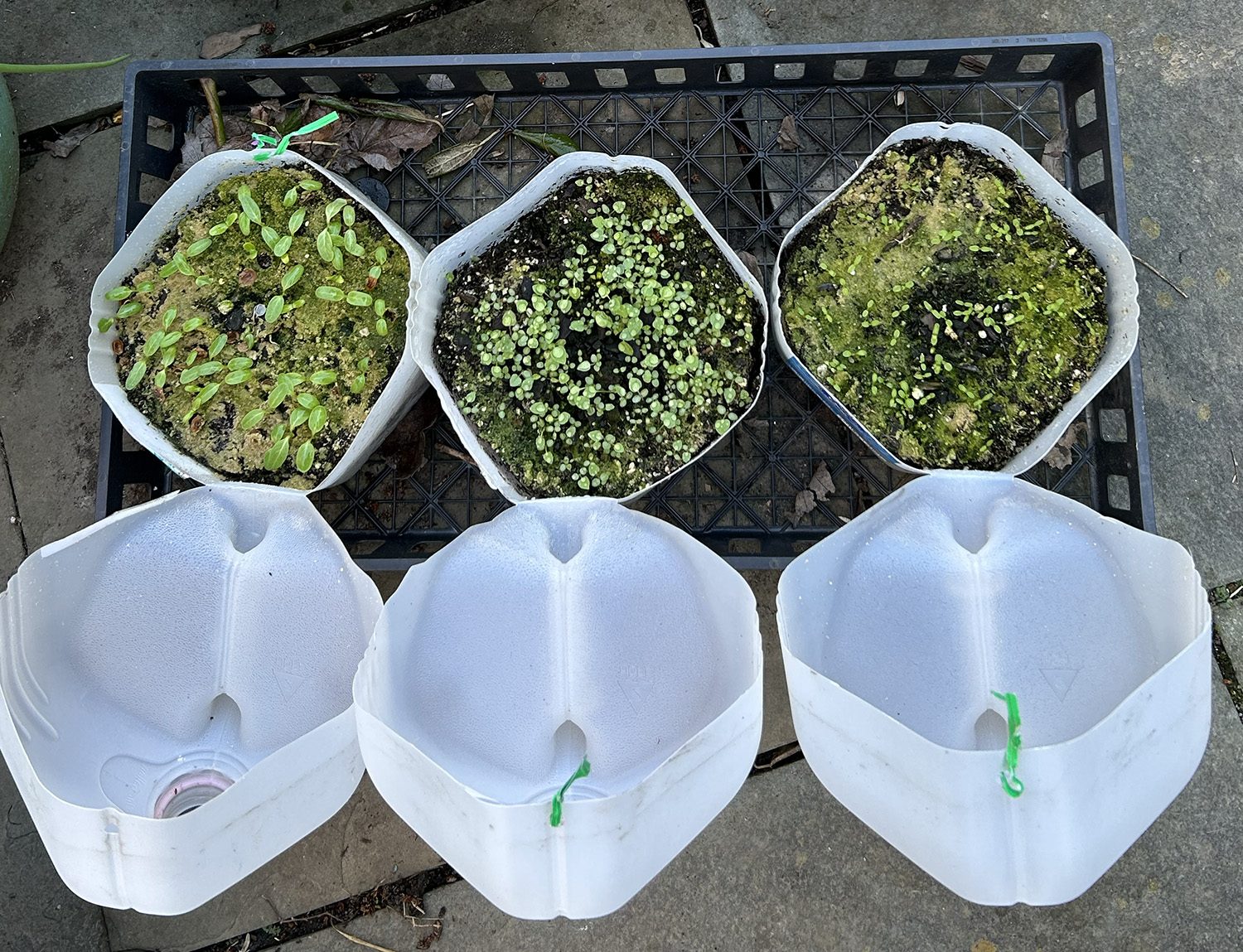
Winter seed sowing is a method of planting seeds during the colder months that enables gardeners to take advantage of winter’s natural conditions to prepare for a fruitful spring. This technique, while not widely practiced, can significantly enhance the viability of plants, particularly hardy annuals, perennials, and certain vegetables.
Benefits of Winter Seed Sowing
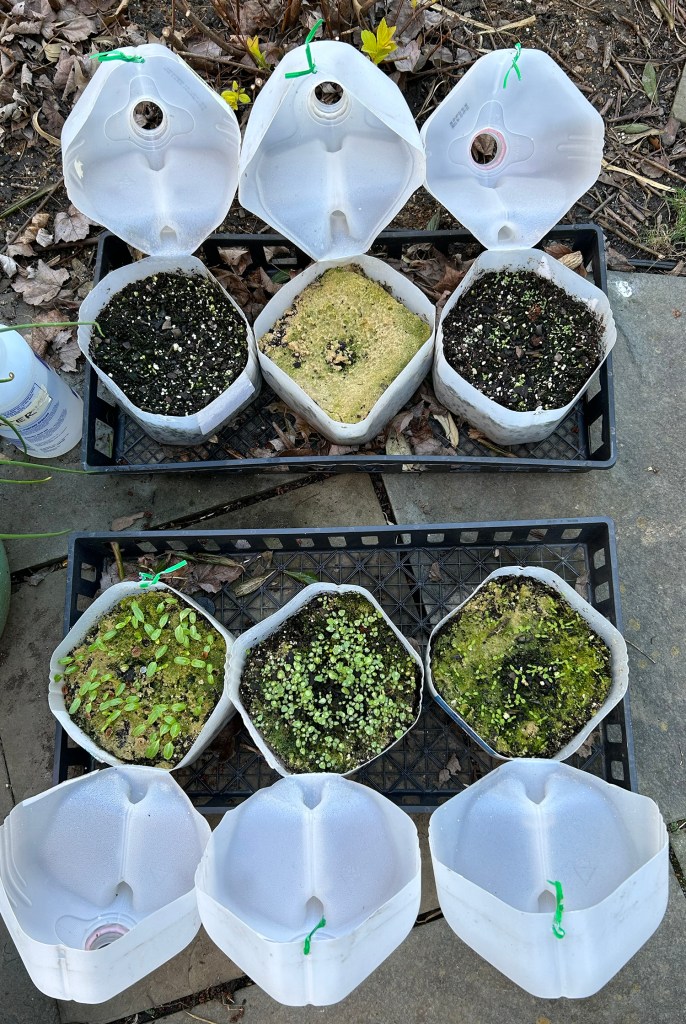
One of the primary advantages of winter seed sowing is the stratification process that seeds undergo when exposed to cold temperatures. Many seeds require a period of cold to break dormancy and germinate successfully. By sowing seeds in winter, gardeners mimic the natural cycles that seeds would experience outdoors, enhancing germination rates and promoting robust early growth.
Additionally, sowing seeds in winter allows gardeners to get a head start on the growing season. By the time spring arrives, seedlings planted in winter will be well-established, giving them a competitive edge over those started later. This early sowing can lead to an earlier harvest, especially for fast-growing crops like lettuce, spinach, and peas.
The Process of Winter Seed Sowing
Choose the Right Seeds: Select hardy seeds such as pansies, snapdragons, or cool-season vegetables like kale and broccoli. Not all seeds benefit from winter sowing, so it’s important to conduct thorough research.
Prepare Containers: Use containers that allow for drainage, like seed trays, milk jugs, or plastic containers with holes at the bottom. Fill them with a quality seed-starting mix, ensuring it’s moist but not waterlogged.
Sow the Seeds: Plant the seeds according to the depth recommended on the seed packet. Cover them lightly with soil, and label each container for easy identification.
Water and Seal: Water the soil gently to ensure it’s humid. If using containers like milk jugs, you can leave them open for ventilation or seal them to create a mini-greenhouse effect, providing warmth while still allowing sunlight in.
Placement: Place the containers outdoors in an area that receives sunlight. Snow and cold temperatures help insulate the seeds, protecting them from extreme frost.
Monitor Growth: Check the moisture level periodically, ensuring the soil doesn’t dry out. As temperatures rise in early spring, watch for germination, and be prepared to transplant seedlings into your garden beds when they reach a suitable size.
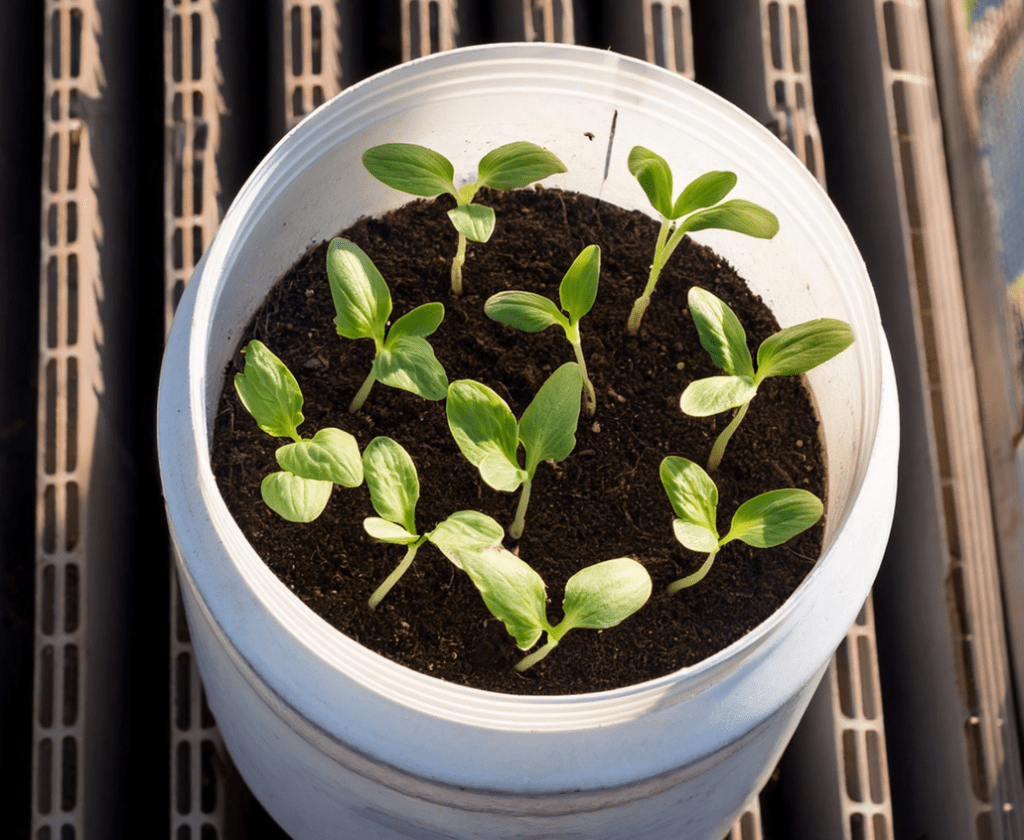
Conclusion: Winter seed sowing is an innovative approach to gardening that can lead to a healthier and more productive garden. By using this technique, gardeners not only embrace the beauty of winter but also set the stage for a vibrant and thriving spring garden. Whether you’re a seasoned gardener or a beginner, winter seed sowing is worth considering for the upcoming growing season.
Be sure to attend the January 22, 2025 garden club meeting to watch member Jeanne Griffin discuss and demonstrate winter sowing in a milk jug. Members will learn how to plant seeds that will germinate over the winter and be ready to transplant in the spring. Everyone will take home seeds planted in a jug.
Article generated by AI. Photos of milk jugs with seedlings by Russ Hartman.
 Martha Washington Garden Club