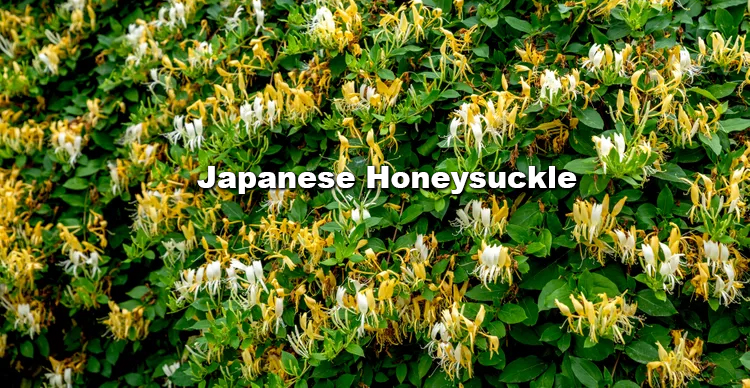
Invasive species often appear attractive because they have evolved in a way that helps them thrive in their new environments. The traits that make them visually appealing can contribute to their spread by attracting pollinators or making them desirable for cultivation. However, it’s important to remember that the beauty of an invasive species does not outweigh the negative impacts they can have on ecosystems and native species. It’s crucial to manage and control invasive species to prevent harm to the environment.
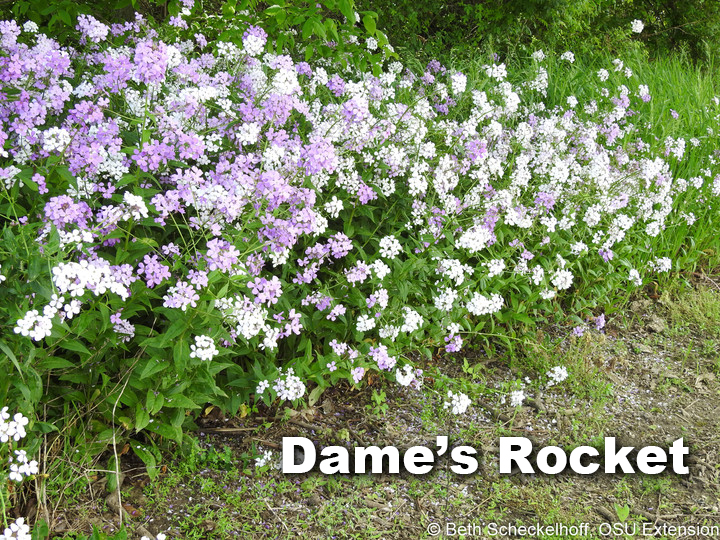
Invasive plants can have several negative impacts on ecosystems and the environment, including:
Displacement of Native Species: Invasive plants can outcompete and displace native species for resources such as sunlight, water, and nutrients, leading to a decline in biodiversity.
Altered Ecosystem Dynamics: The presence of invasive plants can alter ecosystem dynamics, such as nutrient cycling and fire regimes, disrupting the balance of the ecosystem.
Habitat Degradation: Invasive plants can degrade habitats by forming dense monocultures, reducing habitat quality for native wildlife and leading to habitat fragmentation.
Economic Costs: Invasive plants can have economic consequences by impacting agriculture, forestry, and recreation industries, leading to financial losses.
Increased Fire Risk: Some invasive plants are highly flammable and can increase the risk of wildfires, especially in areas where they dominate the landscape.
Human Health Concerns: Certain invasive plants may pose health risks to humans and animals by causing skin irritations, allergies, or toxicity if ingested.

Overall, invasive plants can have far-reaching negative effects on ecosystems, biodiversity, and human well-being, underscoring the importance of managing and controlling their spread.
Content created by AI
 Martha Washington Garden Club